Listening to Coatham Marshes
17.04.2026
With Dr Sally Rodgers and Dr Steve Jones
Coatham Marshes is a site we’ve spent much time exploring in the past and we love its liminal quality - the nature reserve sits somewhere between the sea and beaches to the east, heavy industry around Teesmouth to the north and the coastal towns to the south.
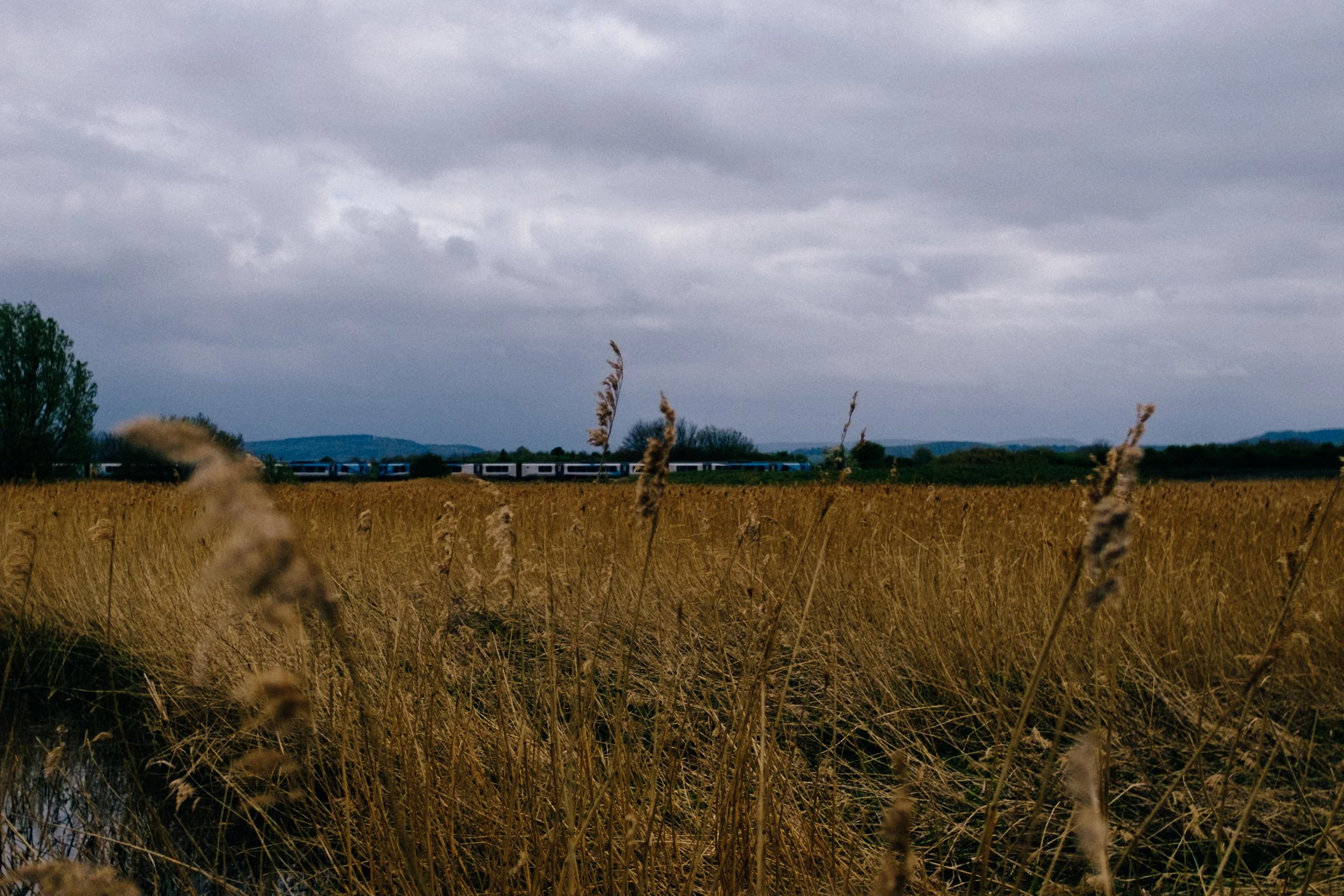
As such it offers a perfect example of a soundscape ecology that includes all three distinct categories: biophony (biological sounds – birds, wildlife etc…), geophony (natural physical sounds – weather or the marsh reeds blowing in the wind for example), and anthrophony (human-generated sounds – the distant industry or the passenger trains traversing its borders).
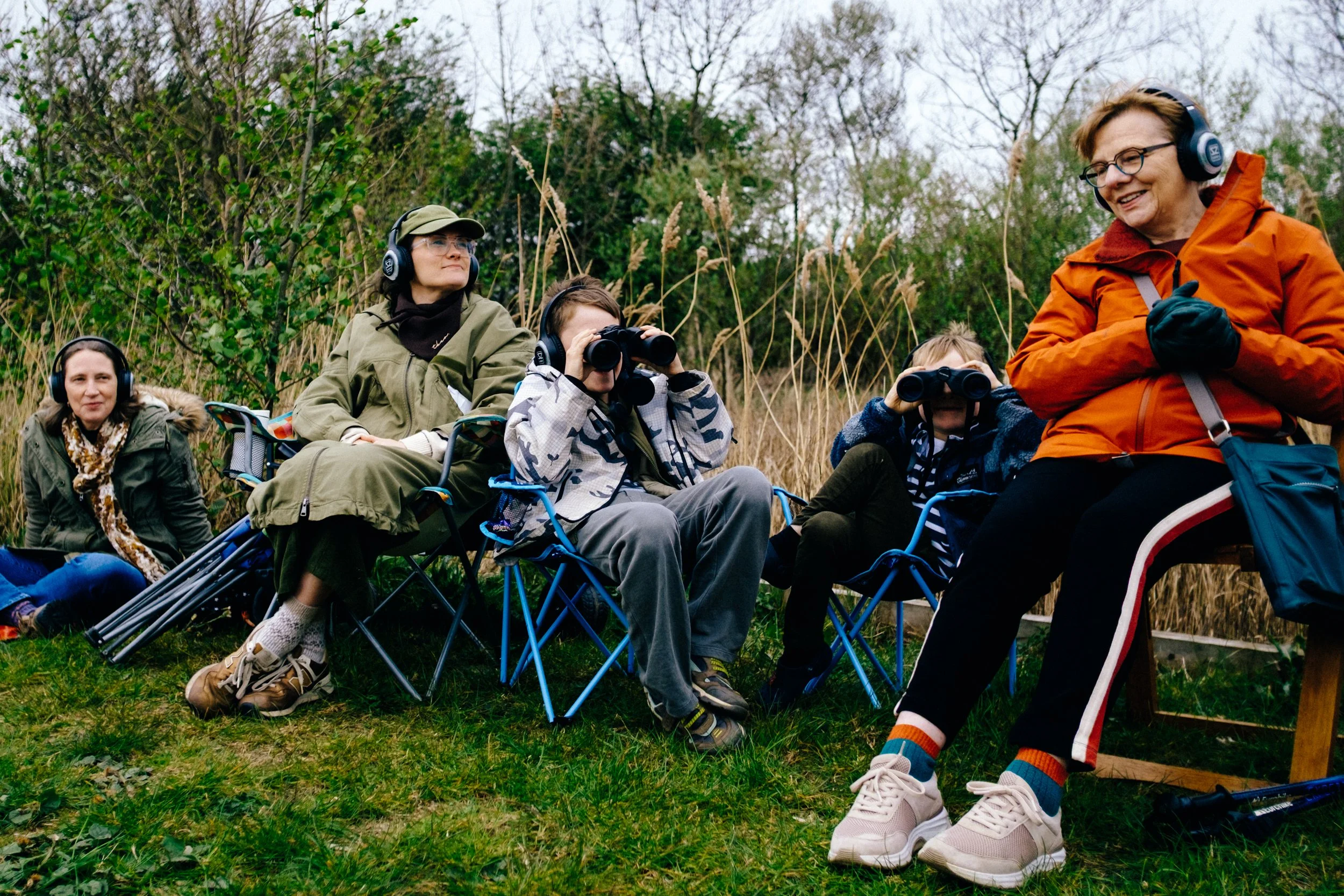
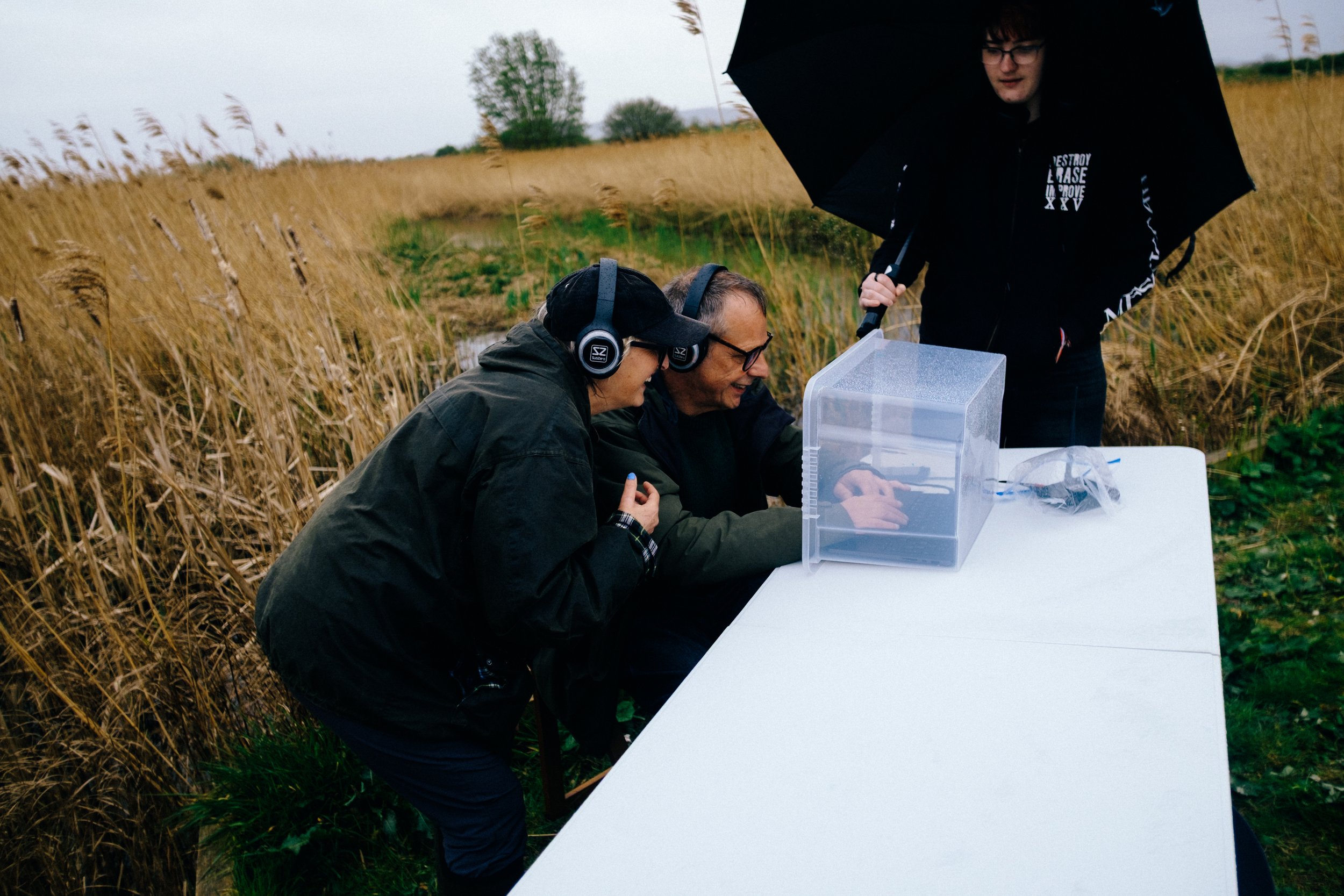
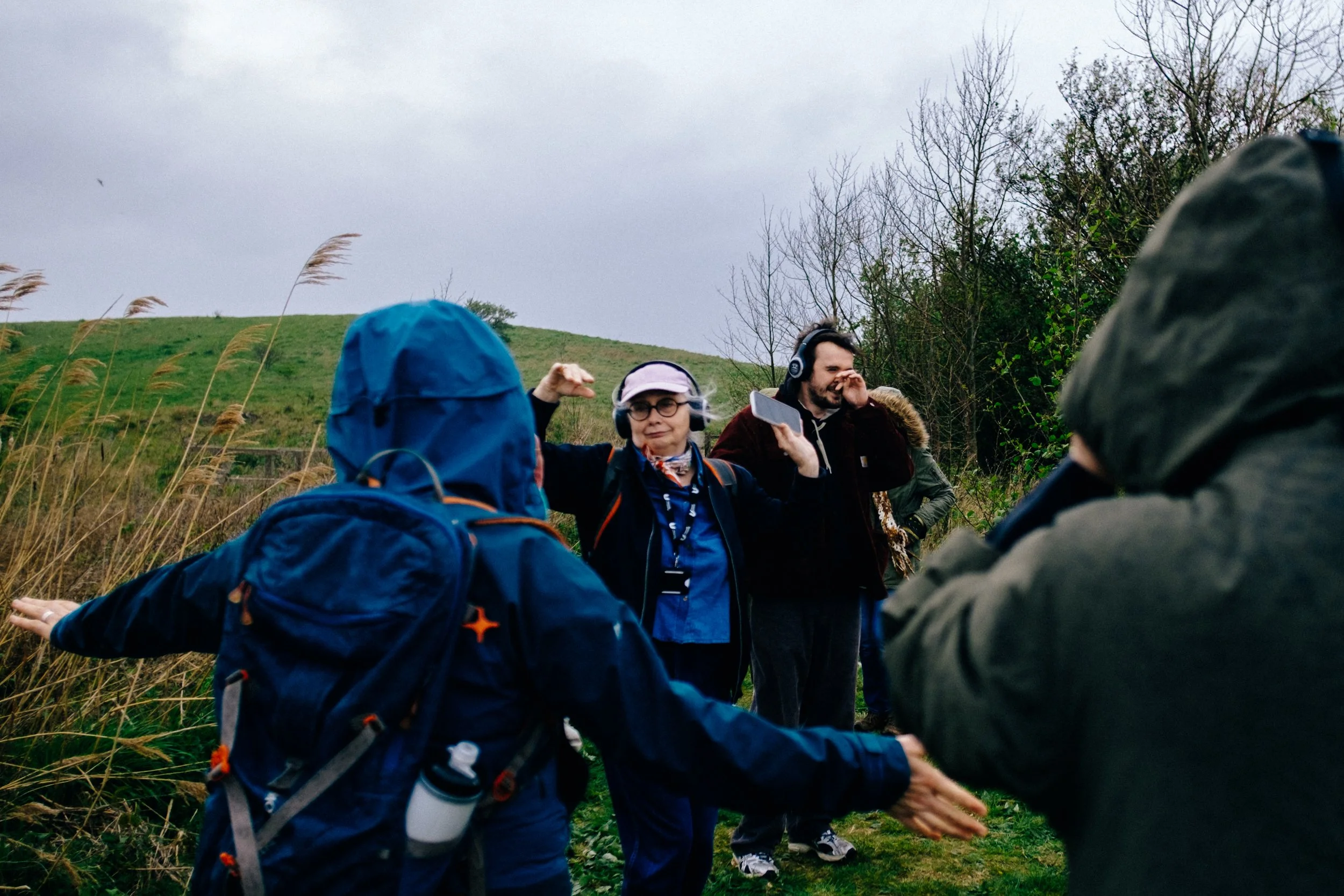
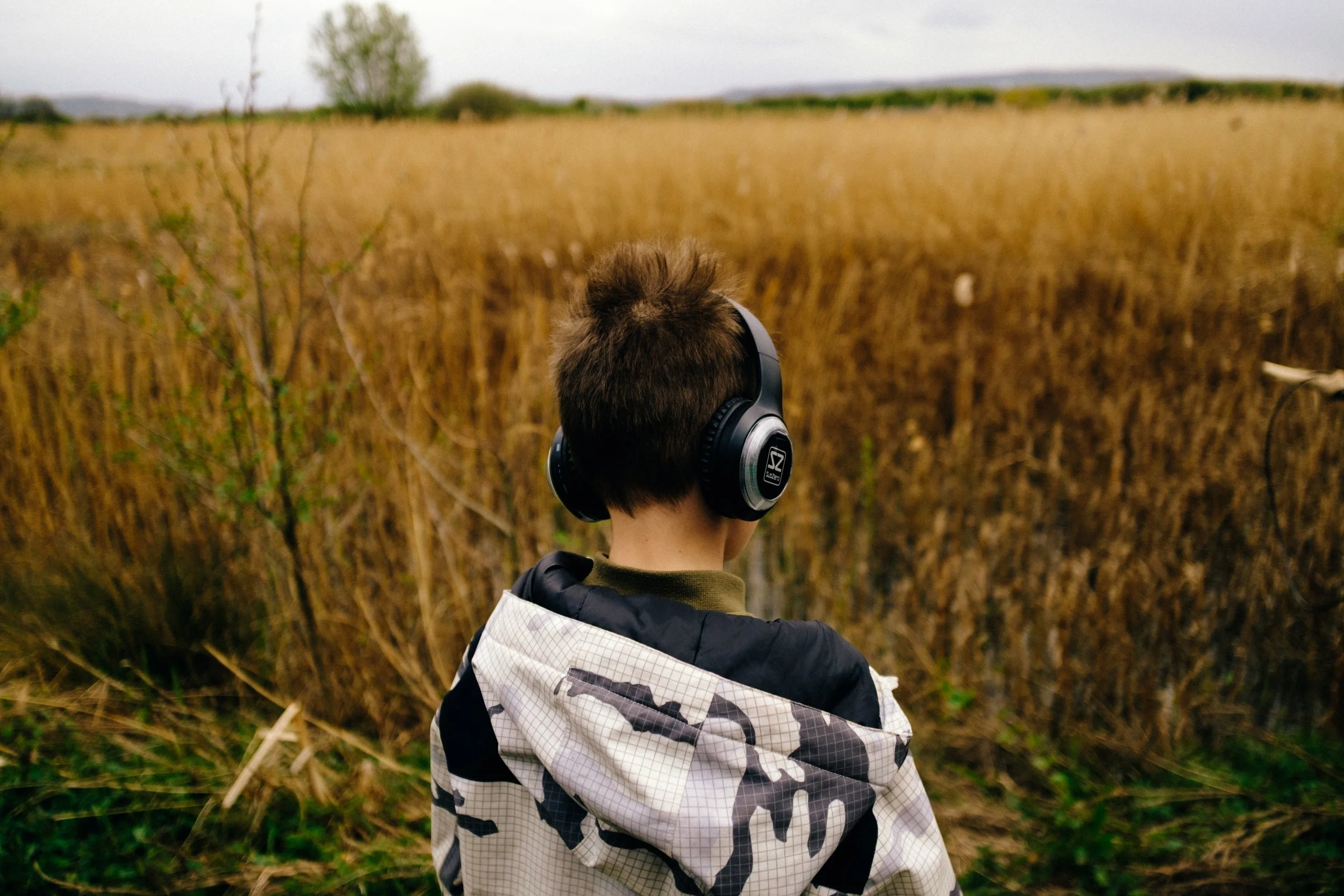
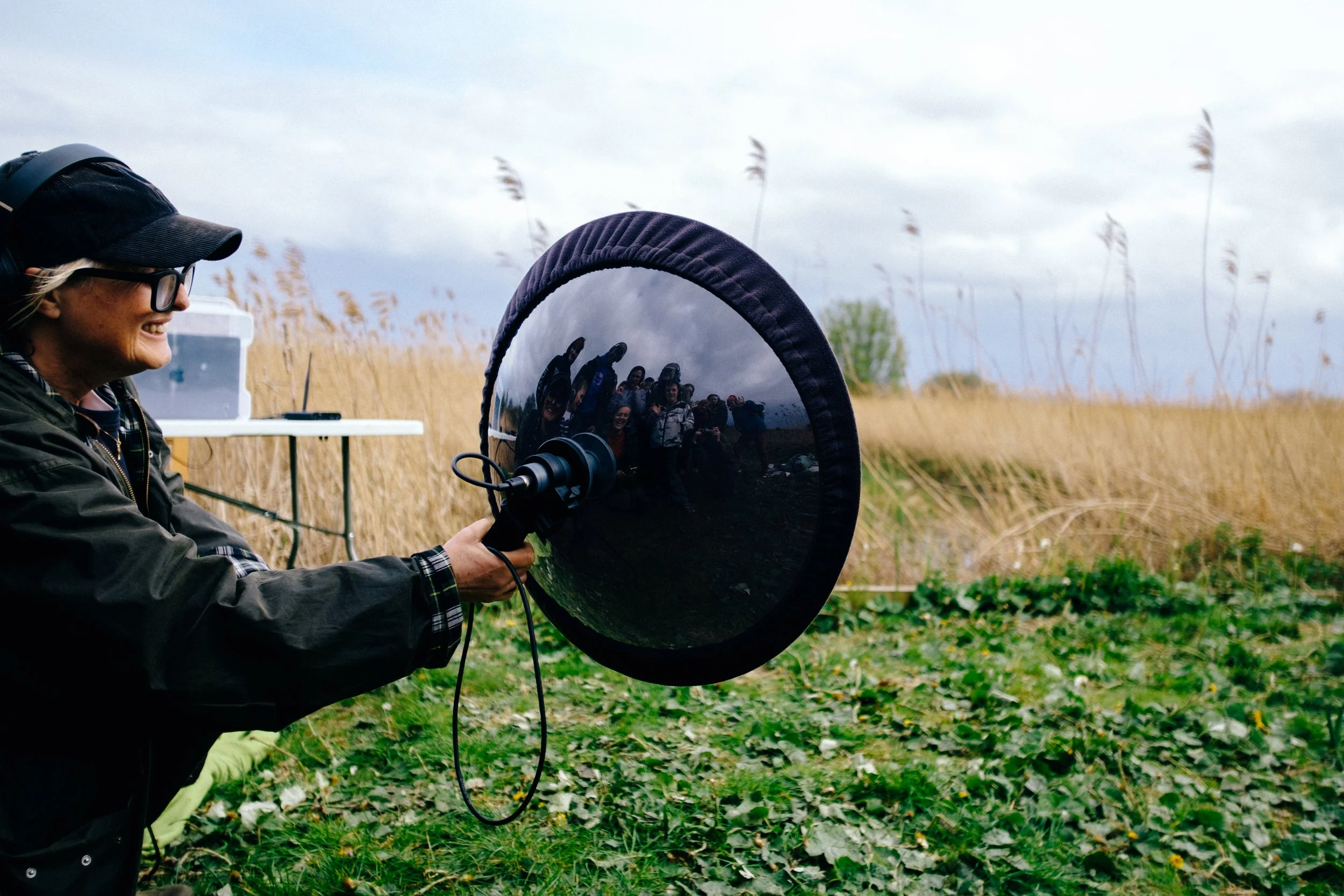
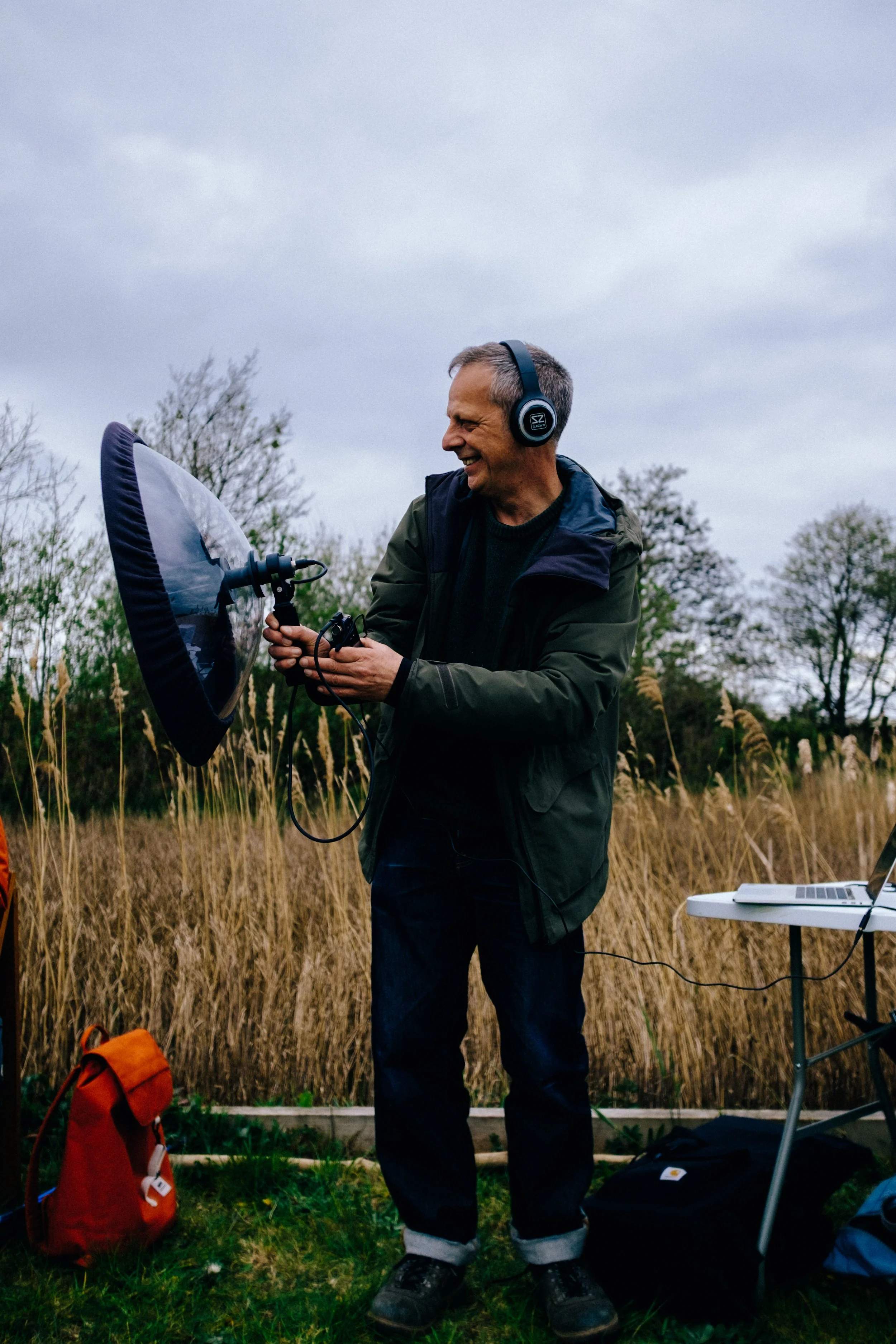
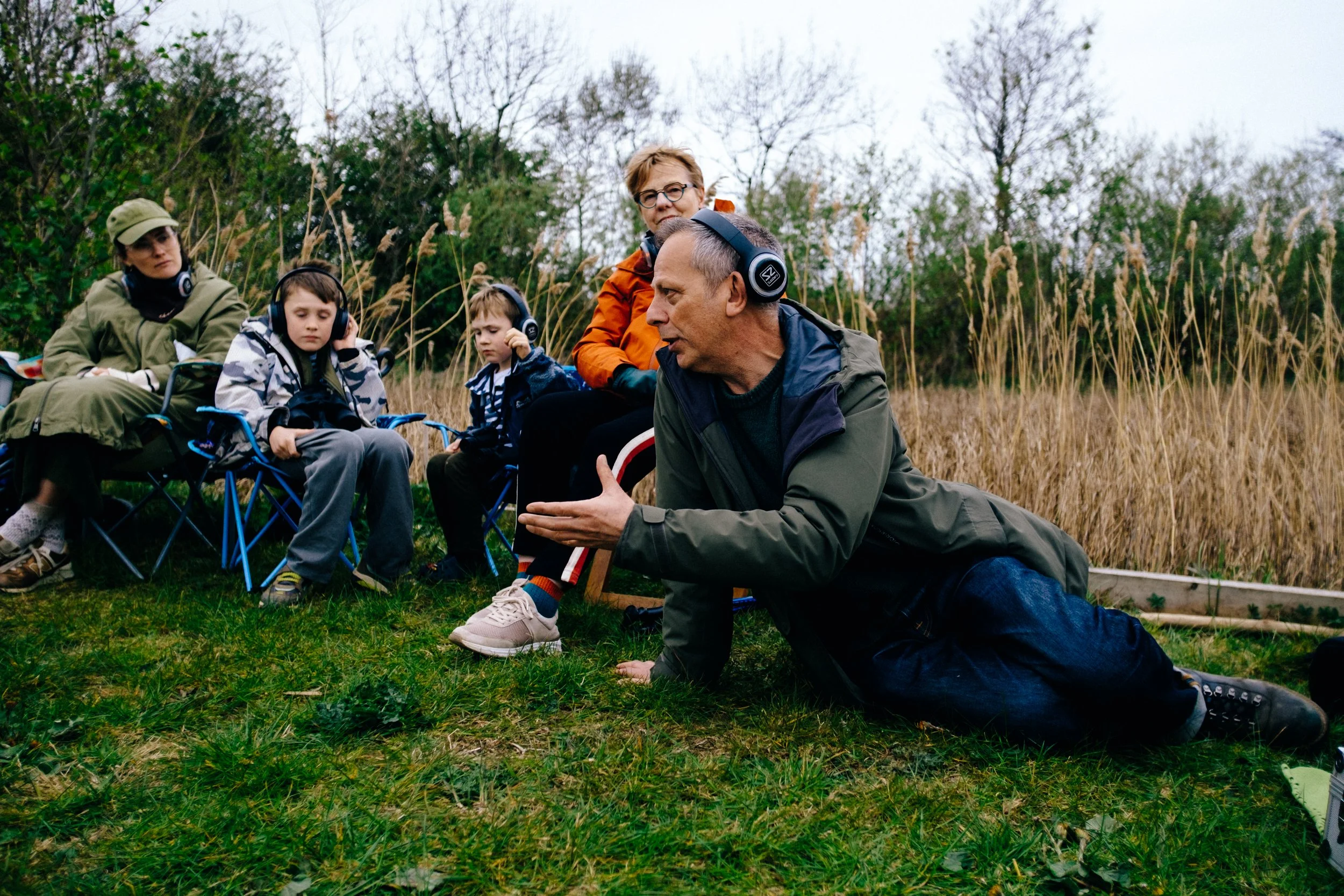
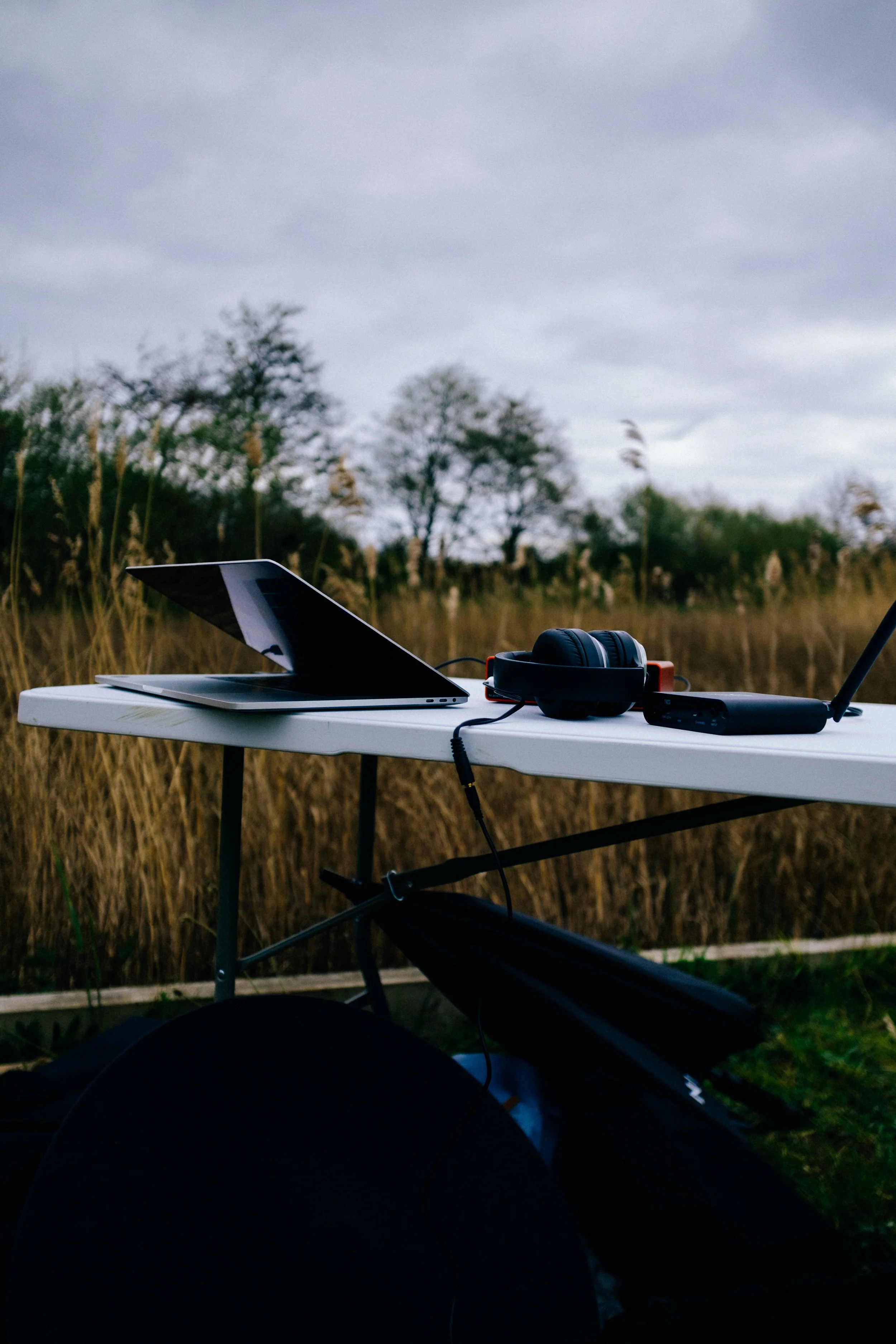
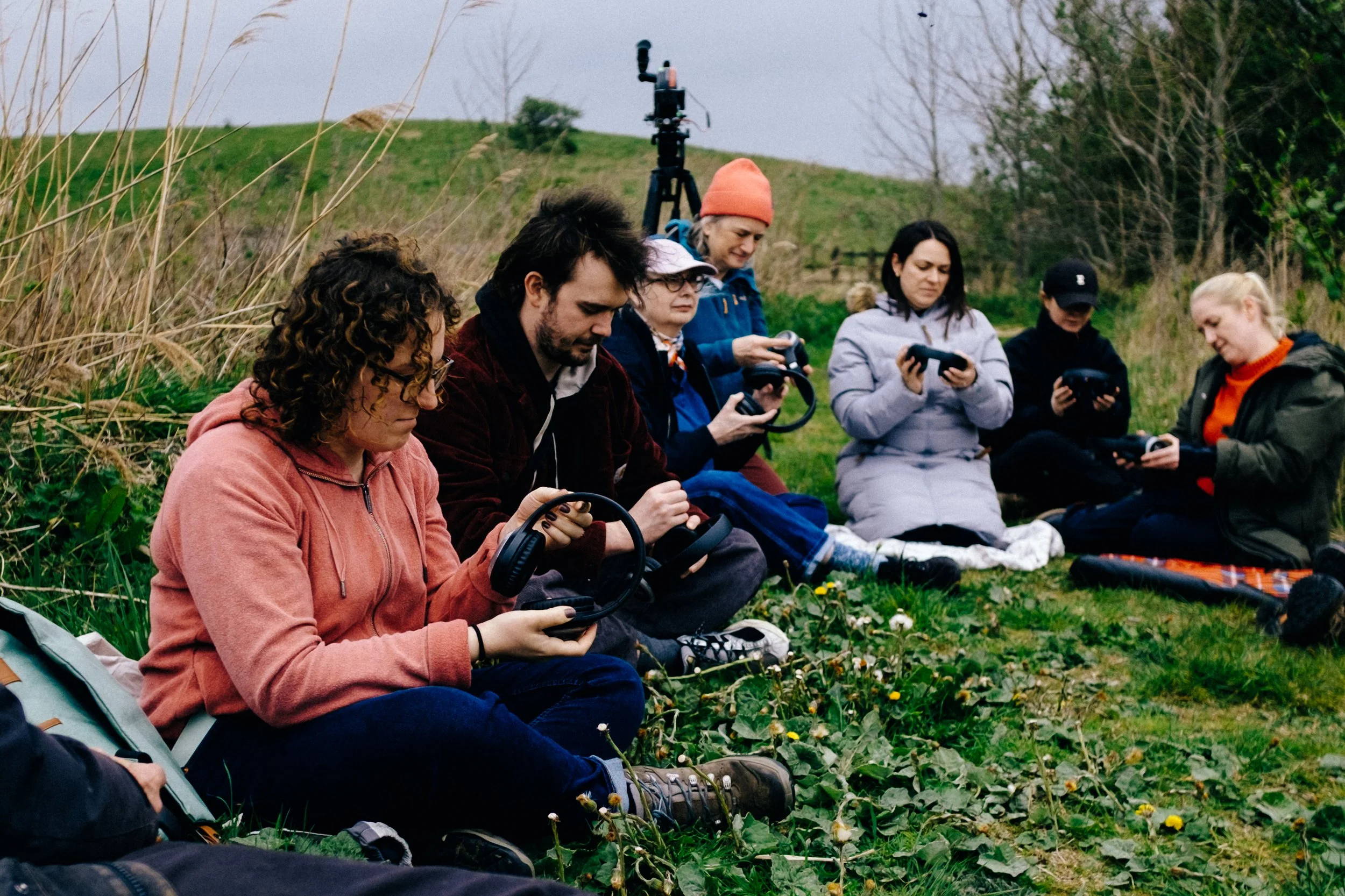
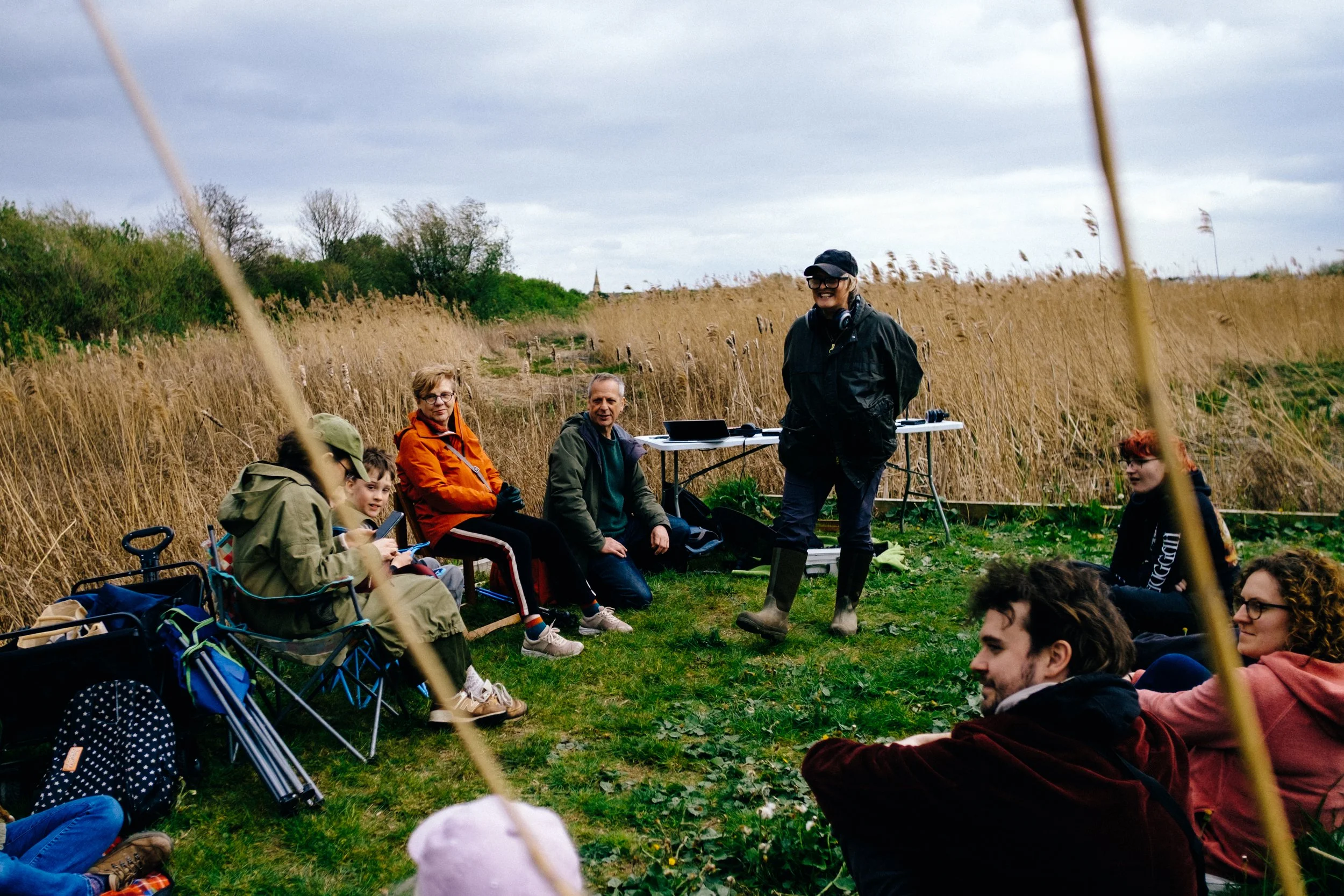
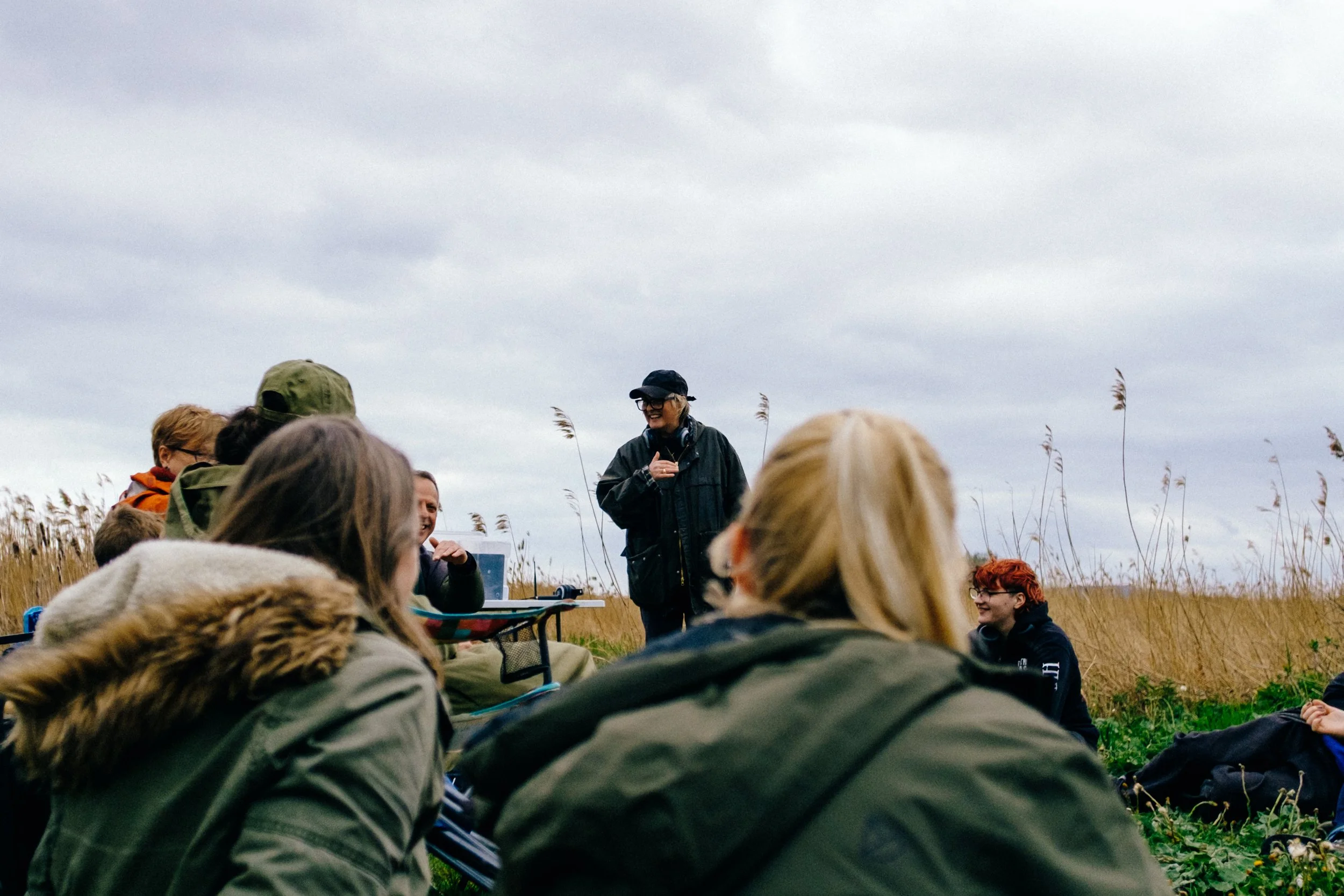
With a wonderful parabolic microphone that magnifies distant sounds, and a silent disco system of transmitters and wireless headphones we were able to formulate a deep listening session for participants that allowed them to hear the marshes in new and exciting ways. Before engaging with the technology at all, we encouraged them to use the naked ear to listen deeply and to think of sound as a way of mapping a landscape by considering the nearest, furthest and somewhere in between sounds.
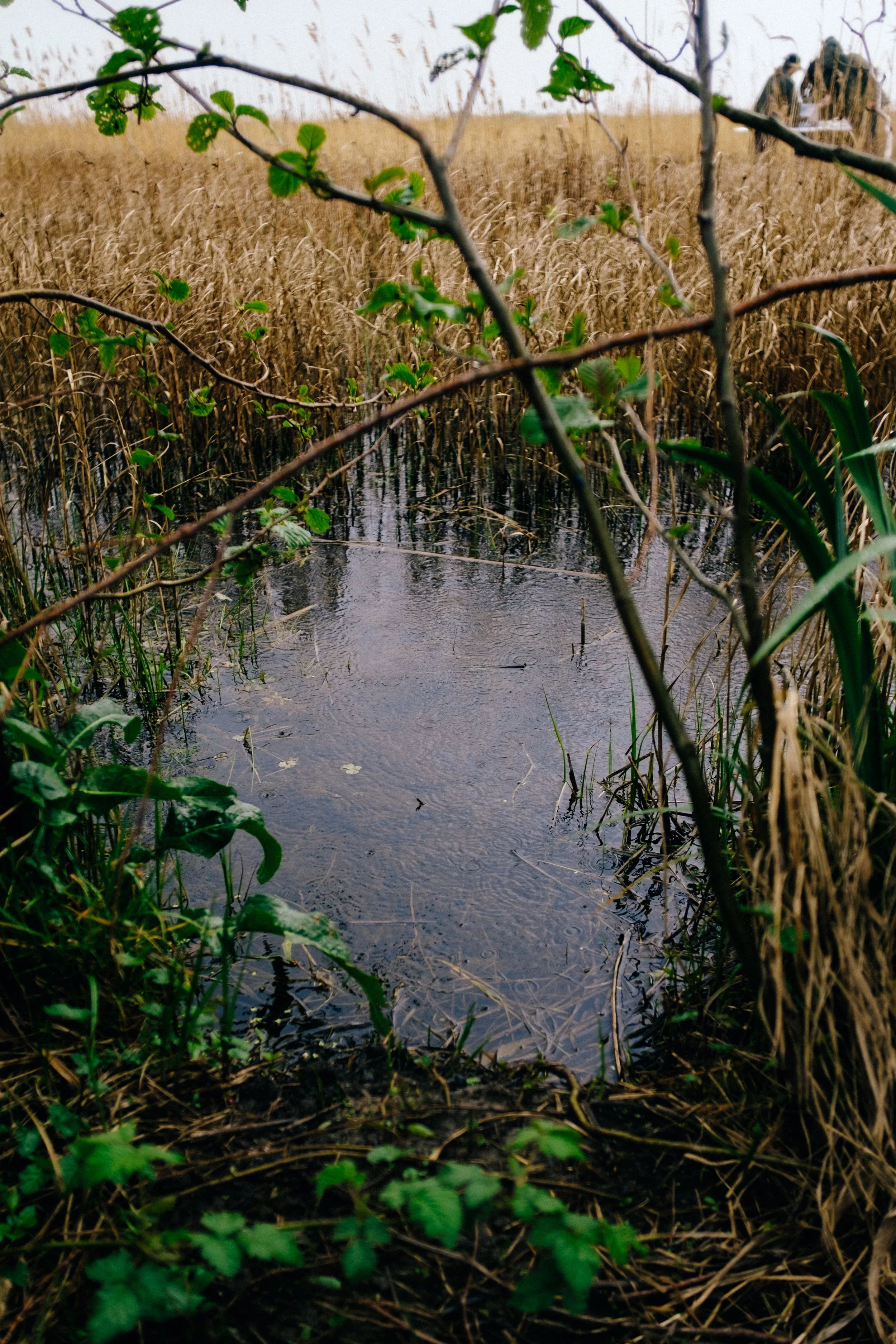
We introduced some of the soundscape theories of luminaries in the field like Bernie Kraus and Murray R Schaefer, and the detailed, poetic sound recordings of Hildegard Westercamp. Before the session we had checked the range of the headphone signal and during the workshop attendees listened to the landscape via the parabolic microphone. The headphone system meant that the participants could wander out into nature (at distances of several hundred meters) and experience the sound ecology with remarkable depth and accuracy. With various other contact microphones, probes and a hydrophone we listened to the surreal substrata of the soil beneath our feet and the standing water of the marshlands. We used the Merlin bird identification app and were able to name many birds including the red listed Black Redstart and the rare Cetti’s Warbler.
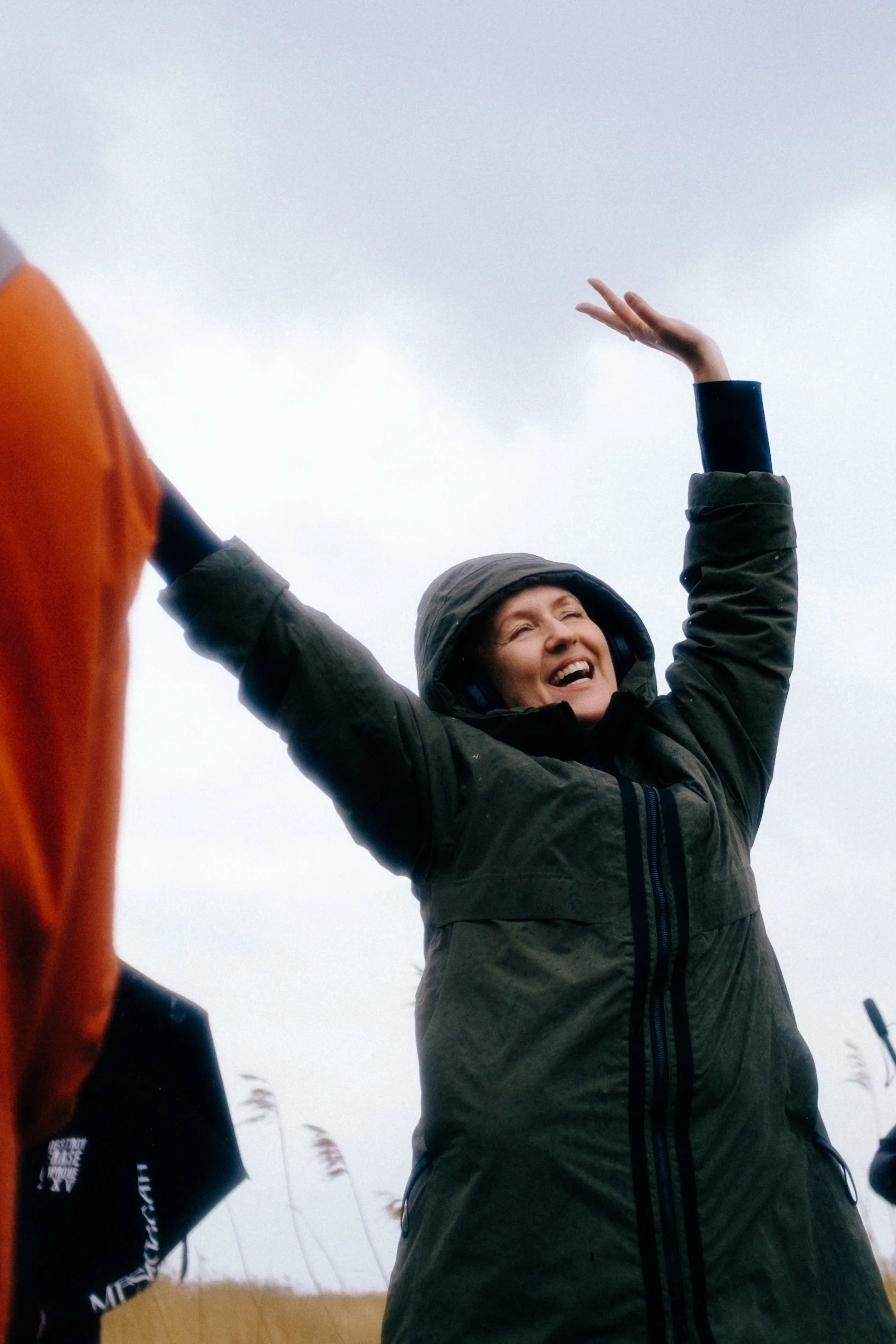
With the technology we had, we were able to give participants a profound and novel collective listening experience. By opening the site and its sonic impressions to them through listening exercises and the incredible precision and intimacy the powerful microphones offered, it seemed all found a new appreciation of both the nature reserve itself, and of sound as a way of experiencing place.
We received some lovely feedback too:
“ A fantastic afternoon, the workshop really helped me to listen to the world in a new way.’ – Bibi
“Me and Vic wanted to say we went away from that absolutely stoked… it’s mad how therapeutic it is, how much more aware you become after experiencing something like that. We wanted to message and say what an amazing experience it was.” – Emma